
Fear spreads faster than facts.
Turn on the news, scroll long enough, and you’ll find endless reasons to believe everything is on the brink of collapse. That kind of messaging doesn’t create readiness—it creates anxiety.
And anxious fathers don’t lead well.
Panic Is a Performance. Preparedness Is Quiet.
- Panic is loud.
- It demands attention.
- It feeds on worst-case scenarios.
Preparedness, done right, produces the opposite effect.
- Preparedness is quiet.
- It shows up early.
- It works in the background.
Your kids don’t need to see you worried about everything that could happen. They need to see that if something does happen, you can handle it.
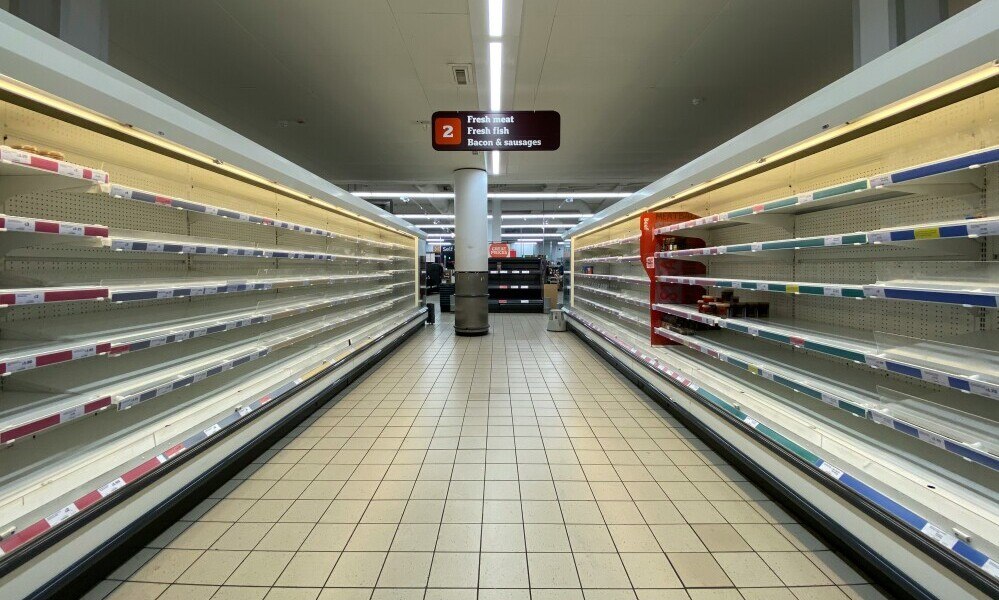
The Cost of Fear-Based Preparedness
Fear-driven preparation often leads to:
- Overbuying gear
- Under-practicing skills
- Talking about scenarios kids don’t need to hear
It trades calm confidence for constant vigilance—and that’s exhausting for everyone.
Calm Is Contagious
Children read emotional cues faster than words.
When something goes wrong, they don’t look for instructions first.
They look at you.
- Your tone.
- Your pace.
- Your posture.
A calm father becomes an anchor in moments that would otherwise spiral.
What Calm Leadership Looks Like
Calm preparedness shows up as:
- Simple plans
- Familiar tools
- Clear communication
It doesn’t require speeches or warnings. It requires consistency.
When kids know what to do—and know that you know what to do—fear loses its grip.

Preparing Without Broadcasting
You don’t need to narrate every risk.
Instead:
- Practice skills casually
- Involve kids naturally
- Keep plans age-appropriate
Preparedness works best when it feels normal—not ominous.
Preparedness Is About Likelihood, Not Drama
Most disruptions are mundane:
- Weather
- Injuries
- Power outages
- Delays
Prepare for those, and you’ll cover 90% of real-life stressors.
Anything beyond that is optional—not foundational.
The Example That Lasts
Your kids may not remember:
- What you stocked
- What you feared
- What you predicted
They will remember:
- How you handled uncertainty
- How safe they felt around you
- How problems were addressed
That’s the example they’ll carry forward.
Steady Is Strong
Strength isn’t found in constant alertness.
- It’s found in restraint.
- In preparation without obsession.
- In leadership without fear.
Prepared, not paranoid isn’t a slogan—it’s a standard.
And it’s the kind of standard worth passing down.