
There’s a comforting illusion in buying gear.
It feels like progress.
It feels like preparation.
And for a moment, it feels like responsibility fulfilled.
But most fathers already own more equipment than they’ve ever used.
The problem isn’t lack of gear.
It’s lack of practice.
Gear Feels Like Preparation—Until It Isn’t
Gear is attractive because it’s tangible. You can buy it, store it, and point to it as evidence that you’re doing something.
Skills are different.
They require time, repetition, and humility.
They can’t be rushed or outsourced.
And yet, when things actually go wrong, it’s rarely the gear that saves the day—it’s the person who knows what to do with what’s already on hand.
The Truth About What Gets Used
In real situations—power outages, injuries, weather disruptions—the tools that get used are almost always:
• Simple
• Familiar
• Within reach
Not the specialized equipment buried in a closet.
Not the premium item you’ve never tested.
A headlamp you know how to use beats a flashlight still in its packaging.
A basic first aid kit you’ve practiced with beats an advanced one you haven’t opened.
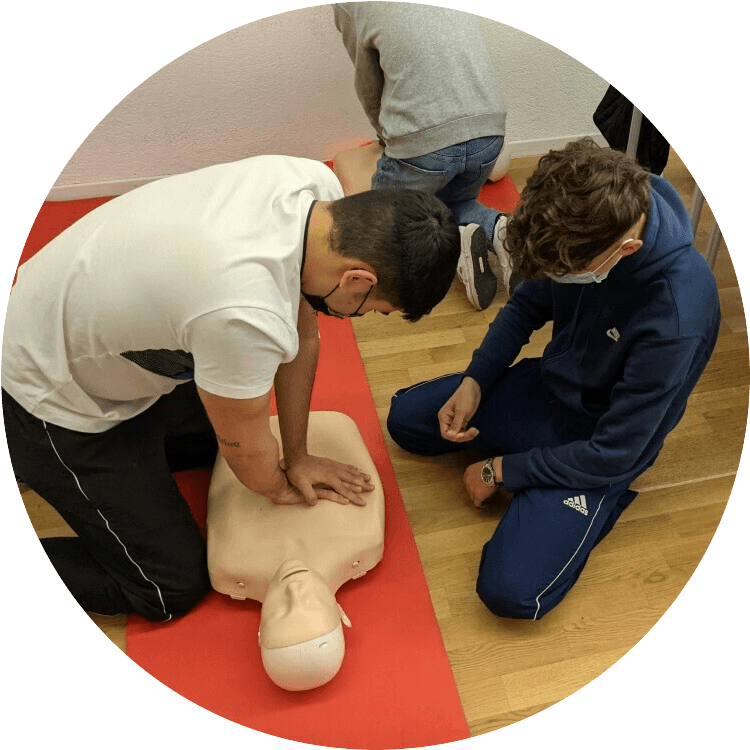
Skills Travel Better Than Equipment
Skills don’t depend on:
• Brand
• Battery life
• Storage space
They work anywhere, under any conditions.
A father who can:
• Stay oriented
• Treat an injury
• Improvise a solution
…is prepared whether he’s at home, on the road, or on a family trip.
Gear can be lost.
Skills don’t disappear.
The Gear You Should Own (And Why)
This site isn’t anti-gear. Tools matter.
But gear should earn its place by meeting three criteria:
1. You’ve used it before
2. It solves more than one problem
3. Your family knows how to use it
If it doesn’t meet those standards, it’s clutter—not preparedness.
Examples of Gear That Earns Its Keep
• A reliable headlamp used regularly
• A first aid kit you’ve practiced with
• Footwear you’ve walked miles in
• A multi-tool you actually carry
Notice what’s missing: novelty.
Teach Skills, Not Dependency
One of the quiet risks of gear-heavy preparedness is that it can teach kids the wrong lesson:
“We’re safe because we have stuff.”
What you want them to learn instead is:
“We’re safe because we know what to do.”
When kids learn skills—navigation, basic first aid, problem-solving—they develop confidence that isn’t tied to objects.
That confidence stays with them long after the gear is gone.
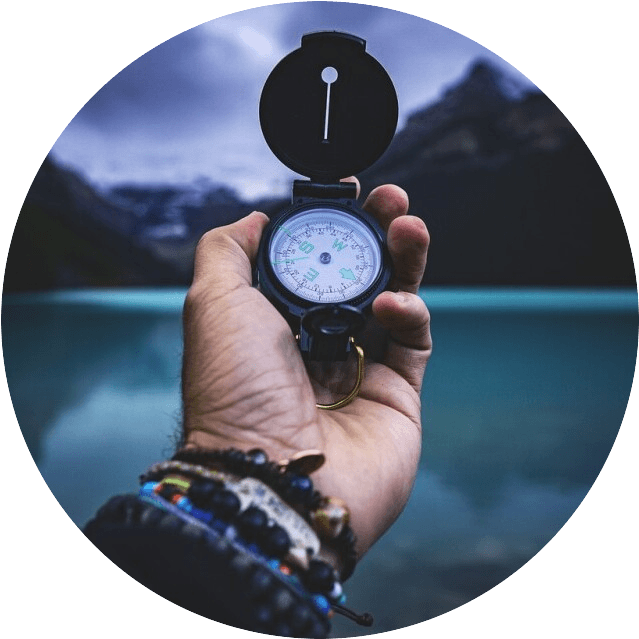
Practice Makes Gear Useful
The simplest way to make gear matter is to practice with it during normal life.
• Use your headlamp on evening walks
• Let kids help pack and unpack kits
• Practice first aid during minor scrapes
• Use backup systems before you need them
Practice removes hesitation.
Hesitation is what causes panic.
The Father as the Primary Tool
This may be uncomfortable to hear, but it’s true:
You are the most important piece of equipment your family has.
- Your judgment.
- Your composure.
- Your willingness to act.
No purchase replaces that.
Gear should support capability—not replace it.
Buy Less. Practice More.
Preparedness doesn’t require a constant stream of purchases.
It requires:
• Honest self-assessment
• Intentional practice
• A focus on what actually gets used
When you do buy something, buy it deliberately—and commit to mastering it.
That’s how tools become assets instead of clutter.
The Legacy You’re Building
Your kids won’t remember what you owned.
They’ll remember:
• How you handled stress
• How you solved problems
• How you involved them
That’s the legacy that matters.
Gear fades.
Skills endure.