
As fathers, we often focus on what our kids should have: gadgets, tools, or extracurricular achievements.
But what they truly need—what lasts—is capability.
Preparedness isn’t just for adults. Teaching children practical skills early builds confidence, resilience, and judgment. And it doesn’t require extreme scenarios or fear-mongering.
Here are the first ten skills I believe every child should learn—practically, safely, and age-appropriately.
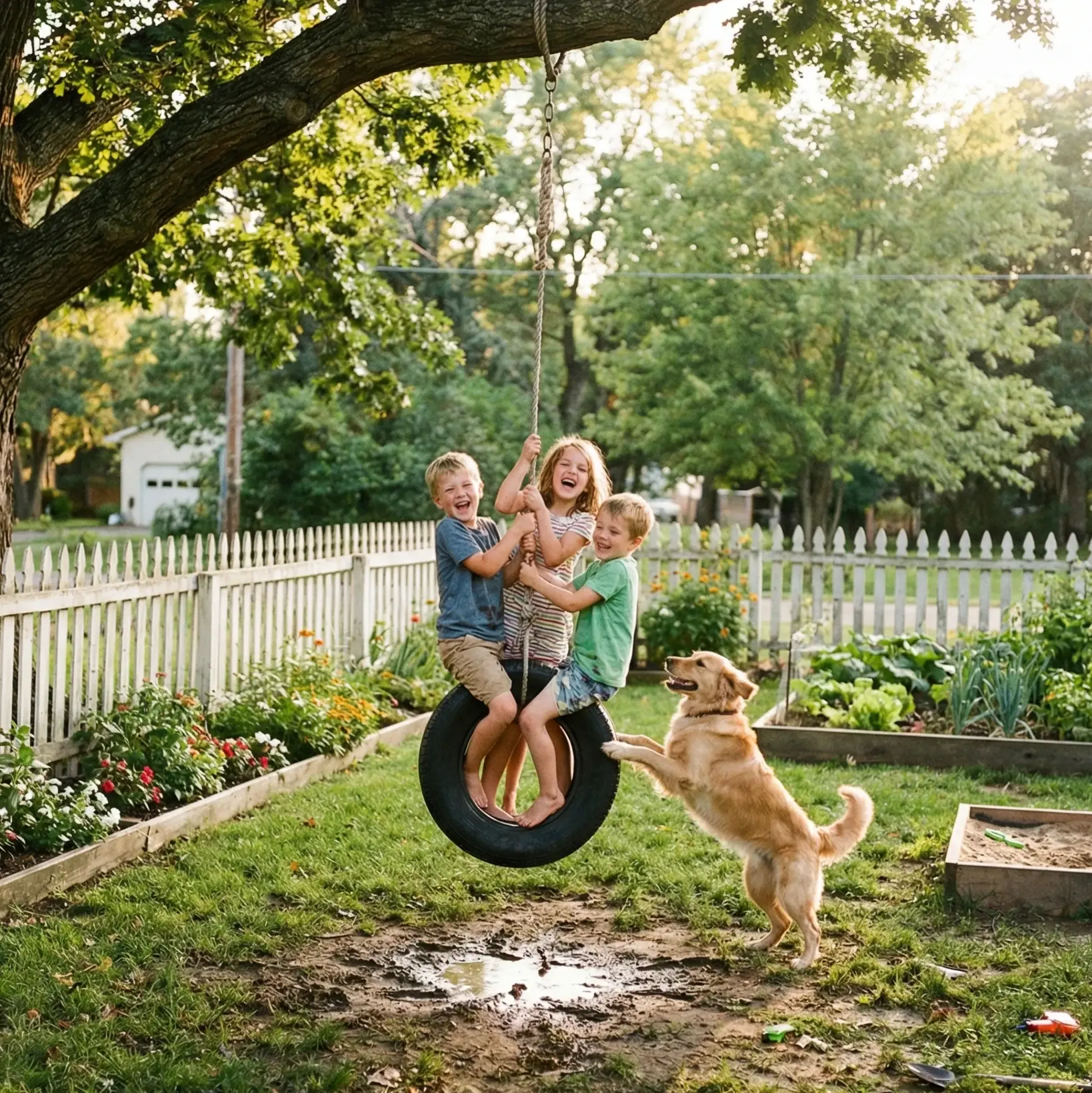
1. Situational Awareness
Why it matters:
Awareness is the foundation of safety and good judgment.
How to teach:
- Play “spot the exit” games in parks or stores
- Discuss safe and unsafe situations casually
- Encourage noticing details (like landmarks on a walk)
Even small children can start noticing surroundings in a playful way.
2. Basic First Aid
Why it matters:
Accidents happen, and kids need to know how to respond calmly.
How to teach:
- Bandage minor cuts
- Clean scrapes
- Practice calling for help
- Use toys or dolls for demonstration
Start simple; build confidence gradually.
3. Fire Safety & Management
Why it matters:
Understanding fire reduces accidents and builds respect for risk.
How to teach:
- How to safely light a candle or campfire (with supervision)
- Stop, drop, and roll
- Never play with matches or lighters without guidance
Focus on respect, not fear.

4. Basic Navigation
Why it matters:
Being able to find your way is empowering—and fun.
How to teach:
- Read simple maps
- Use landmarks to navigate a park or neighborhood
- Try a compass for older kids
Make it a game—kids learn faster when it’s playful.
5. Responsibility & Task Completion
Why it matters:
Preparedness isn’t just physical; it’s about reliability.
How to teach:
- Assign age-appropriate chores
- Let kids be responsible for a small daily task
- Encourage follow-through and reflection
Small responsibilities build habits of self-reliance.
6. Cooking & Basic Food Prep
Why it matters:
Being able to feed themselves is a life skill with immediate payoff.
How to teach:
- Start with washing, chopping soft veggies
- Gradually teach stove or oven safety
- Encourage meal planning and cleanup
It’s practical, tangible, and builds confidence.
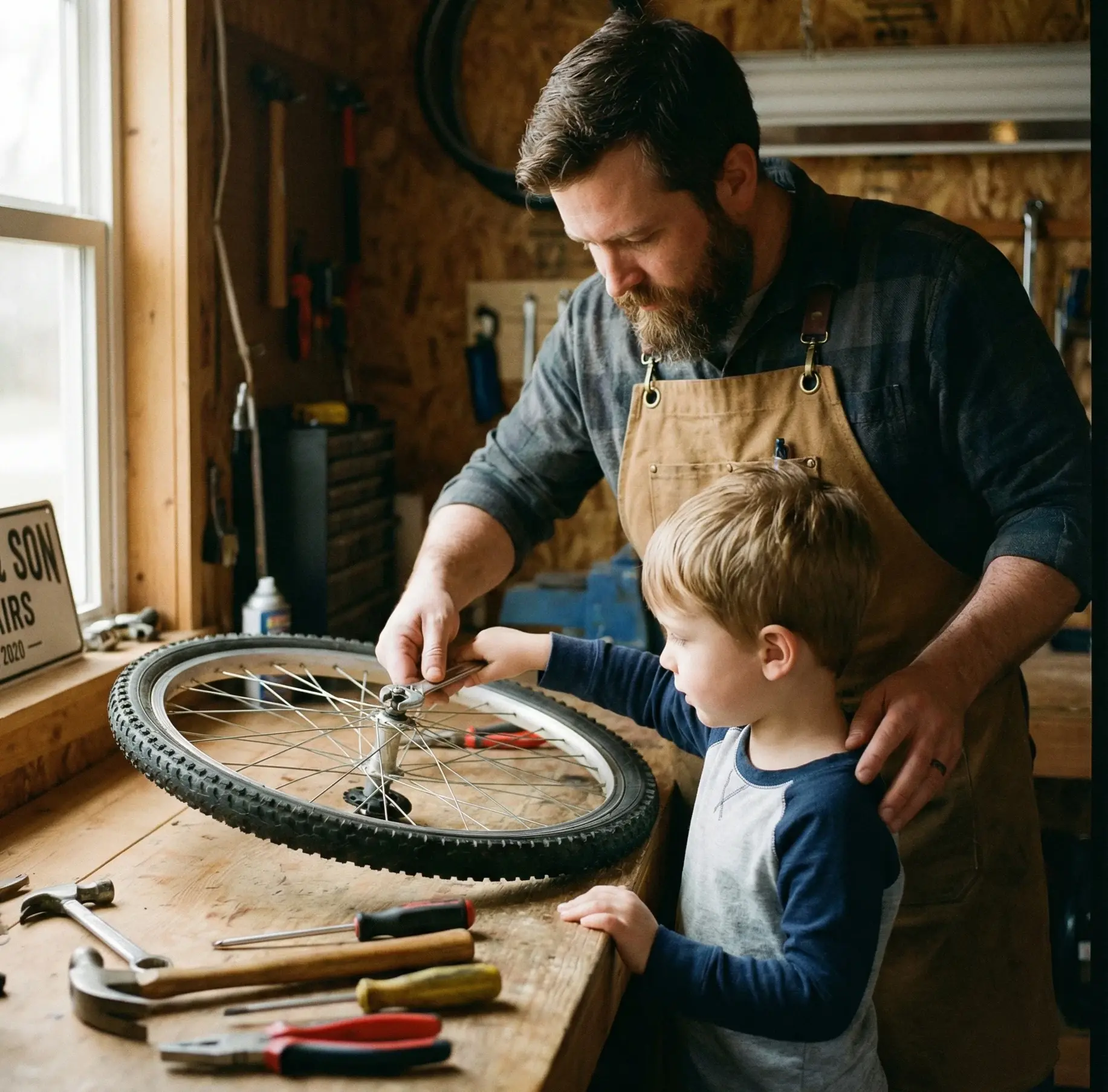
7. Simple Tool Use
Why it matters:
Kids learn problem-solving when they can fix or build.
How to teach:
- Hammering, screwdrivers, measuring
- Start with supervised projects like birdhouses or small repairs
- Emphasize safety first
This also teaches that tools are for capability, not playthings.
8. Communication & Asking for Help
Why it matters:
Preparedness isn’t about isolation. It’s about knowing when to involve others.
How to teach:
- Practice calling a parent or emergency contact
- Teach clear, concise explanations
- Model calm problem-solving
Communication is a skill that protects them in countless scenarios.
9. Basic Money Sense
Why it matters:
Financial preparedness is often overlooked—but it affects independence.
How to teach:
- Saving, spending, and budgeting allowances
- Introduce needs vs. wants
- Let kids make small, controlled decisions
Even young children can understand concepts with guidance.
10. Emotional Resilience & Reflection
Why it matters:
Preparedness is as mental as it is physical.
How to teach:
- Discuss challenges and how to handle frustration
- Encourage journaling or simple reflection
- Model calm under stress
Kids who can process emotions are more adaptable, confident, and prepared for life’s unpredictability.
Putting It All Together
The goal isn’t perfection.
It’s progress.
Introduce one or two skills at a time. Let them practice in real-world situations—backyard adventures, weekend trips, or family chores.
Your calm leadership is the glue that makes these skills stick. Kids learn how to handle uncertainty more from how you respond than from instructions alone.