Most fathers think of preparedness as a chore: drills, checklists, gear maintenance.
It doesn’t have to be that way.
Weekend Skill Labs turn normal family time into practical learning experiences that build confidence, capability, and calm leadership—all while keeping it fun.
What Is a Weekend Skill Lab?
A skill lab is a short, structured session where your family practices a practical skill in a playful, low-pressure environment.
Think of it as a mix between:
- A backyard adventure
- A mini workshop
- A chance to practice real-life problem-solving
The goal: kids learn by doing, not by listening.
Step 1: Pick One Focus Skill
Each weekend, choose a skill to practice. Examples:
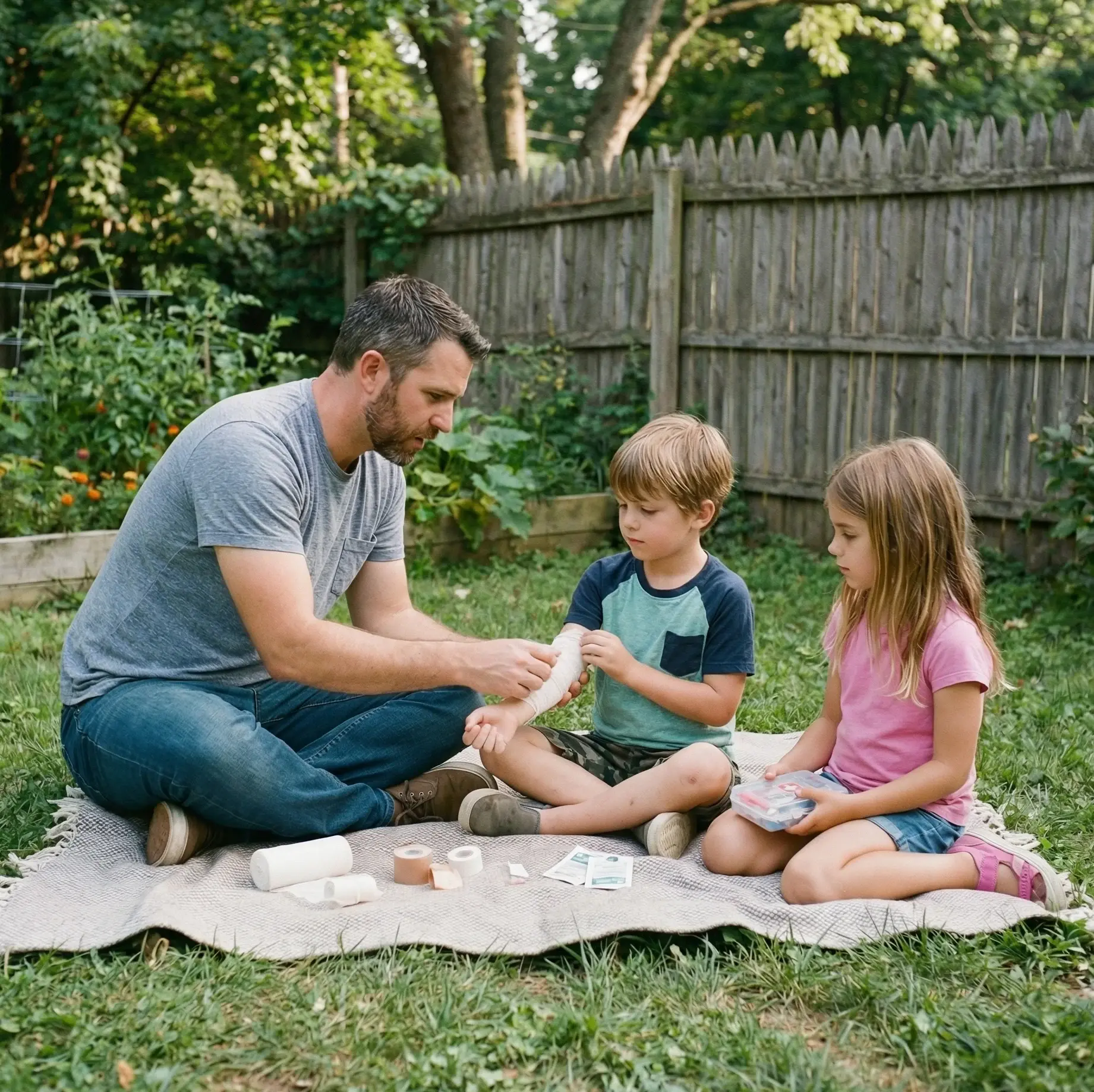
- First aid basics
- Simple navigation with a compass or map
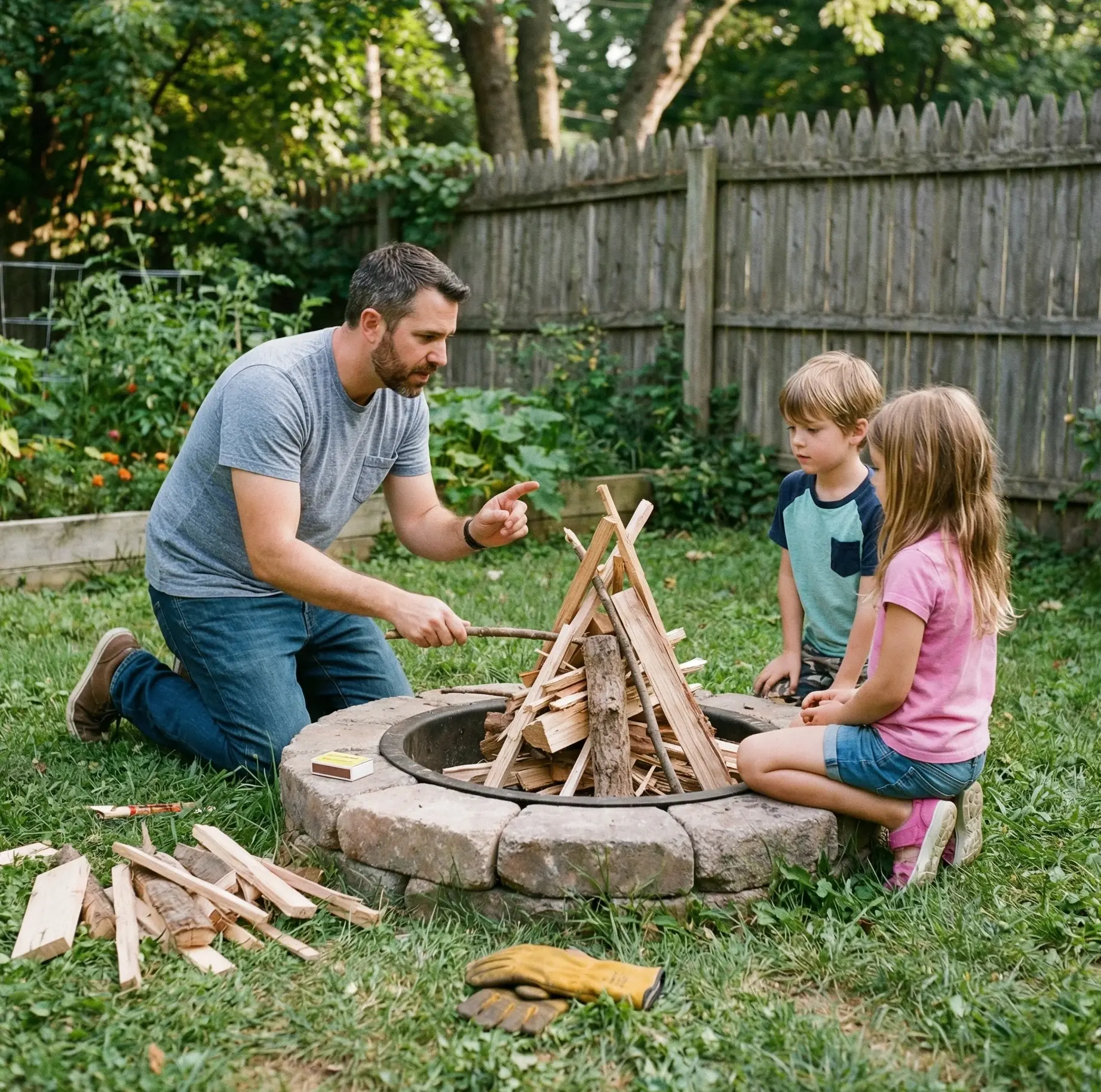
- Fire and camp cooking
- Tool-based projects (birdhouse, small repairs)
- Emergency drills (power outage, minor injury response)
Tip: Rotate skills weekly to keep things fresh.
Step 2: Make It Playful
Children learn best when the activity feels like play:
- Turn first aid practice into a “rescue mission”
- Make a navigation exercise a treasure hunt
- Create mini competitions for tool projects or obstacle courses
Play = engagement. Engagement = retention.
Step 3: Involve Kids in Leadership
Assign roles according to age:
- Younger children: task-oriented roles (gather supplies, follow instructions)
- Older children: leadership roles (oversee steps, check safety)
Kids are more invested when they feel ownership.
Step 4: Teach Calm Problem-Solving
The most valuable lesson isn’t the skill itself—it’s how to respond calmly:
- Model thinking through problems out loud
- Encourage your children to suggest solutions
- Praise initiative, not perfection
Over time, they’ll internalize steady decision-making as the default.
Step 5: Integrate Real-World Scenarios
Use everyday life to reinforce skills:
- Cooking skills: make snacks for a family hike
- Navigation: plan the route to the park together
- First aid: treat a minor scrape after a backyard adventure
The closer the lab mimics real-life situations, the more practical the skill becomes.
Step 6: Reflect and Reinforce
After each session:
- Ask what went well
- Discuss what could be improved
- Let kids share what they learned
Reflection cements lessons and strengthens problem-solving and emotional resilience.
Step 7: Keep It Short and Consistent
You don’t need hours.
- 30–60 minutes per skill lab is enough
- Short, consistent practice beats long, infrequent sessions
- Regular practice builds confidence gradually
Consistency also reinforces that preparedness is a lifestyle, not a task.
Why Weekend Skill Labs Work
- They connect fun with learning, so skills stick
- They embed preparedness naturally into family life
- They teach calm, capable leadership
- They pass skills to your children, building legacy
By practicing small, practical skills weekly, you’re preparing your family for real life, not fear-driven hypotheticals.